Stanford French Film Festival
Quelques questions pour Elodie Bouchez...... en anglais....
Following the themes of both L’Esquive and La Faute a Voltaire, in what positive ways do you think French literary or cultural history, which has historically defined our traditional notions of what it means to be French – most often a white descendent of Europe – address the contemporary issues of immigration and cultural assimilation in contemporary France?
Similarly, given the attention to “la crise dans les banlieues,” in what ways can the media serve as positive outlet for open dialogue and communication? Do you think the French public is open to new perspectives on immigration or do entrenched historical and political cleavages still dominate French values about immigration? Do you have hope that movies can serve as a influential medium of change on societal attitudes towards contemporary issues?
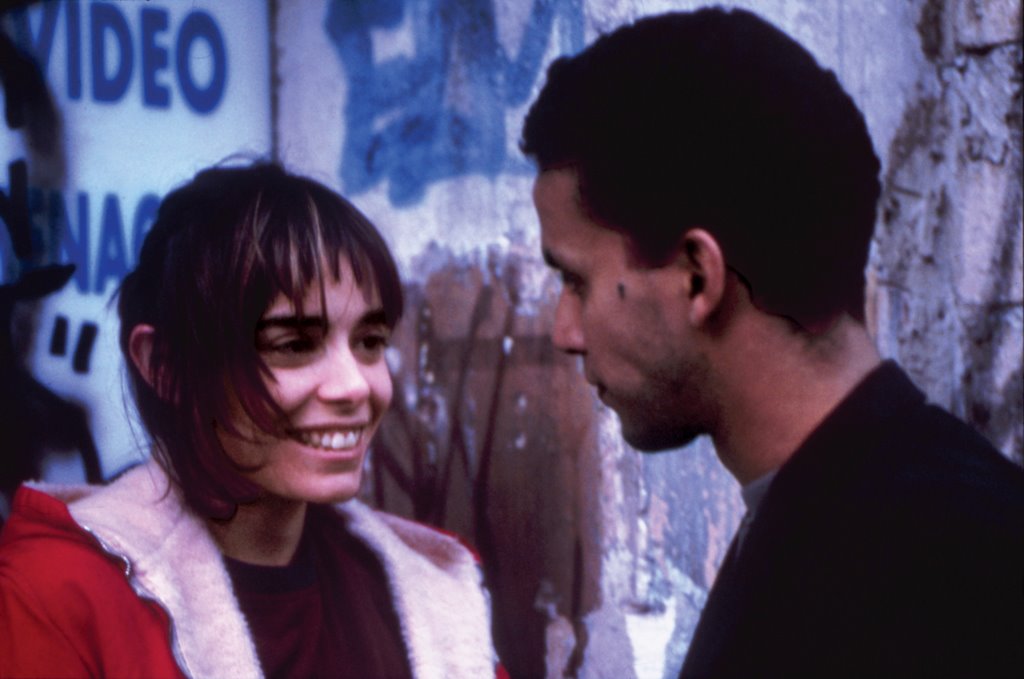
You have said that what attracted you to the role of Lucie in La Faute a Voltaire was her “capacity to express herself (“s’exprimer”) and her wants and desires both loud and strong – in an absolute way without fear of others’ reactions (“sans avoir peur du regard des autres”) – in what ways do you or your work embody or represent this headstrong, resilient attitude towards challenges in life? How has your background as an immigrant, born in
During the 2004 campaign, the Bush administration criticized Kerry as being out of touch with the American people and instead supported by a few
As someone who has traveled extensively in both the
You have worked with a variety of young directors – such as Cédric Klapisch, Gael Morel, Erik Zonca – is there a particular reason you find yourself attracted to their work? Do you think they offer a different perspective on contemporary issues that directors of an older generation cannot offer? Where do you see the future of French cinema – more politicized, more apathetic, more conservative, more mainstream?